About
Intergenerational Bridges is a climate and mental health initiative that explores and addresses the psychosocial impacts of climate change in local communities in Nigeria.
How did we do this?
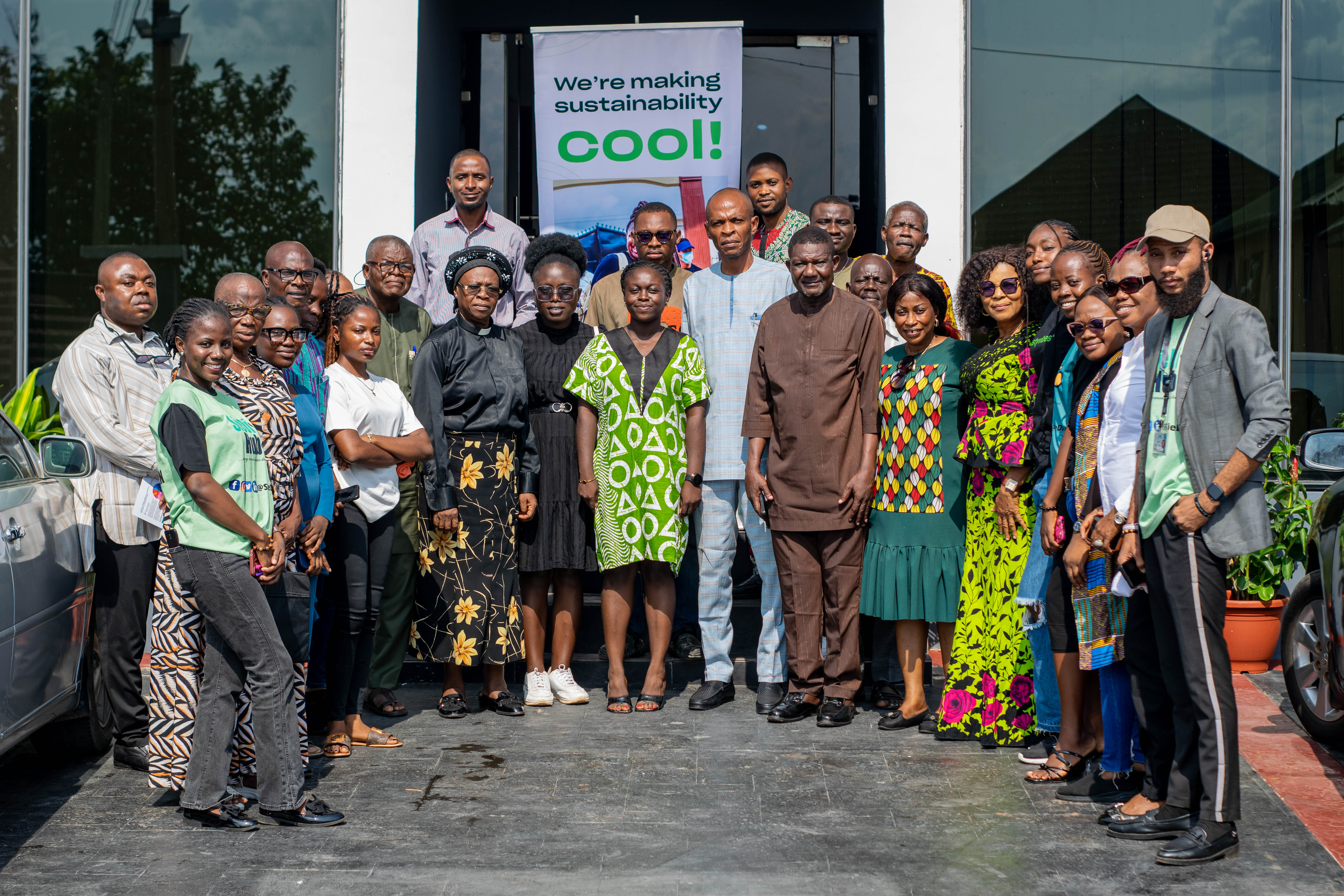
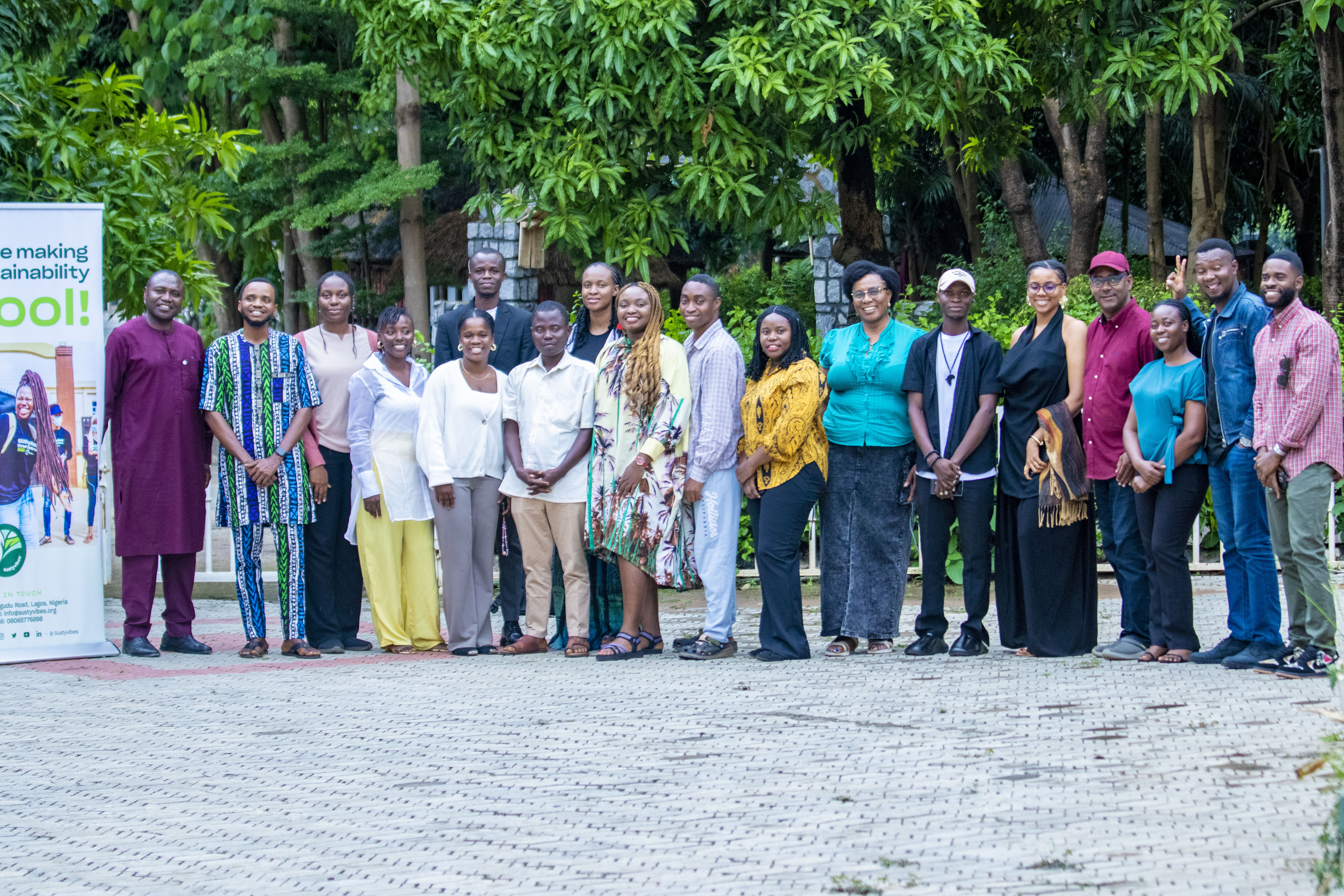
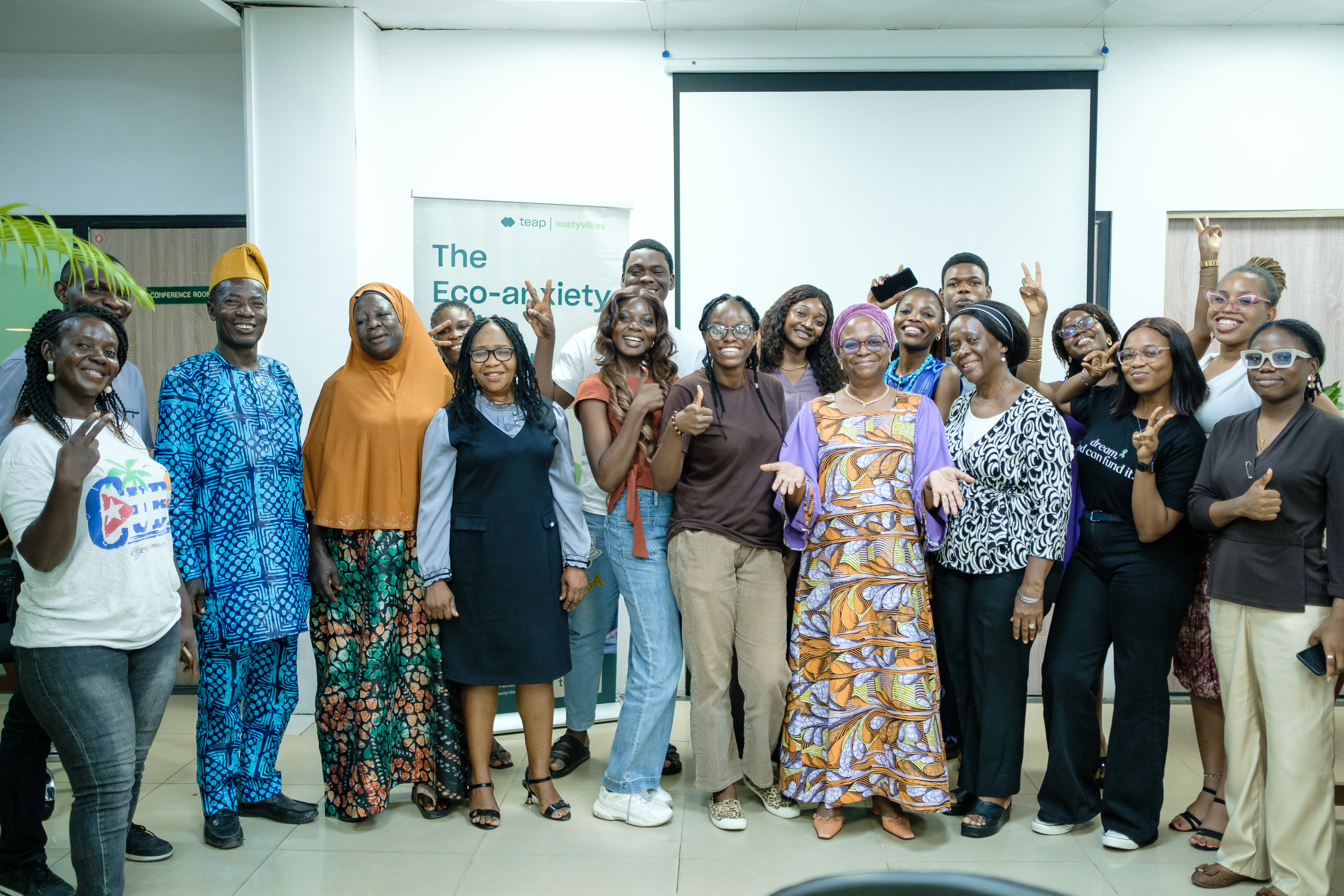
We implemented a series of Intergenerational dialogues across Abia, Abuja, and Lagos states, Nigeria, to facilitate knowledge exchange between youth (18–35) and elders (50+ years). Our objectives were to document generational experiences of eco-anxiety, identify culturally relevant coping strategies, explore indigenous environmental practices, and co-develop community-led frameworks for climate resilience.
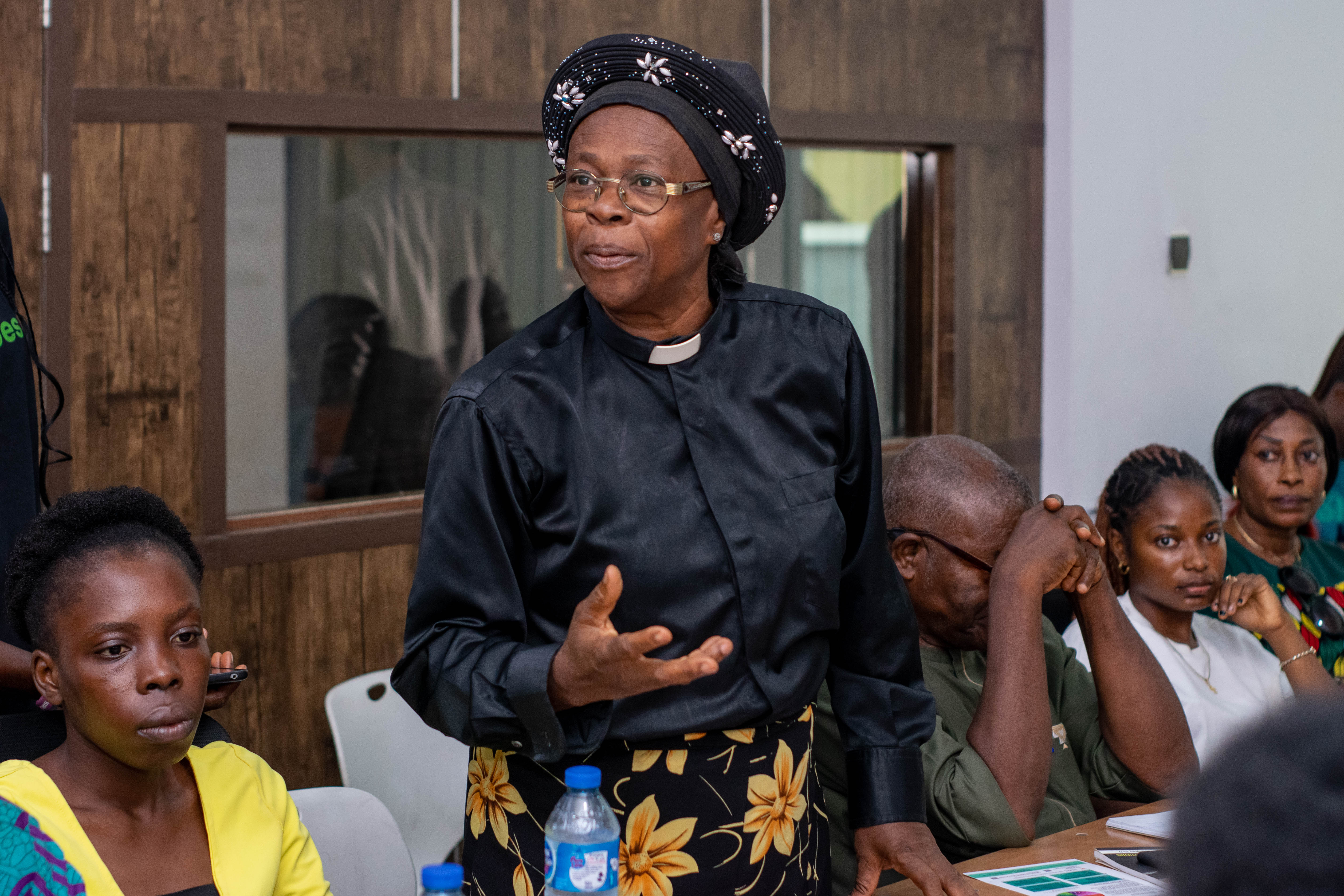
Elders Insights
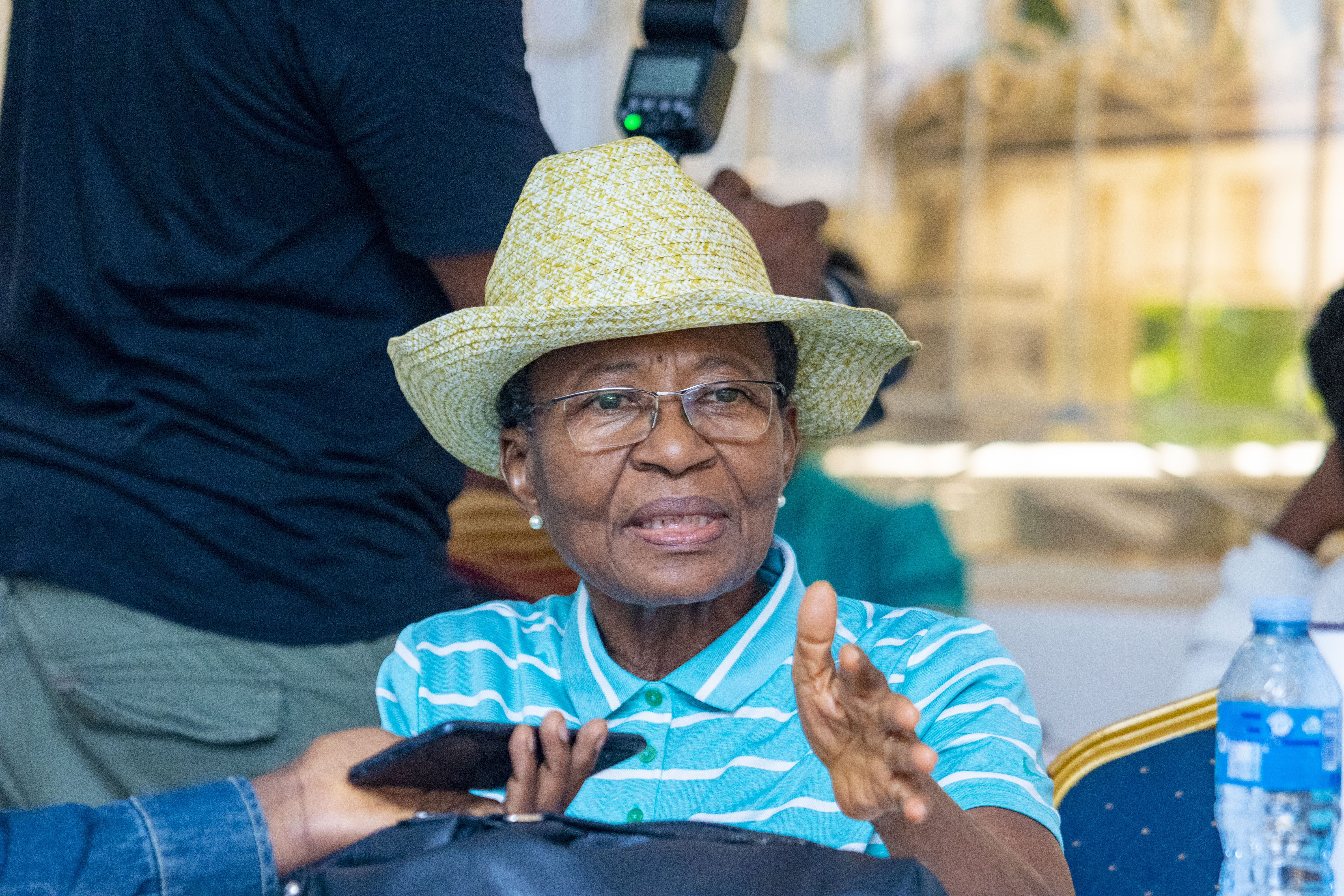
Elders shared a sense of loss and nostalgia while recalling the cooler forests, clean rivers, and communal rituals of their youth. They mourned the erosion of indigenous knowledge and the weakening of community ties. Many called for a revival of ancestral practices, such as age-grade systems and nature-based rituals, as pathways to resilience, emphasising that reconnecting with tradition is essential for healing and environmental stewardship.
Youth Insights
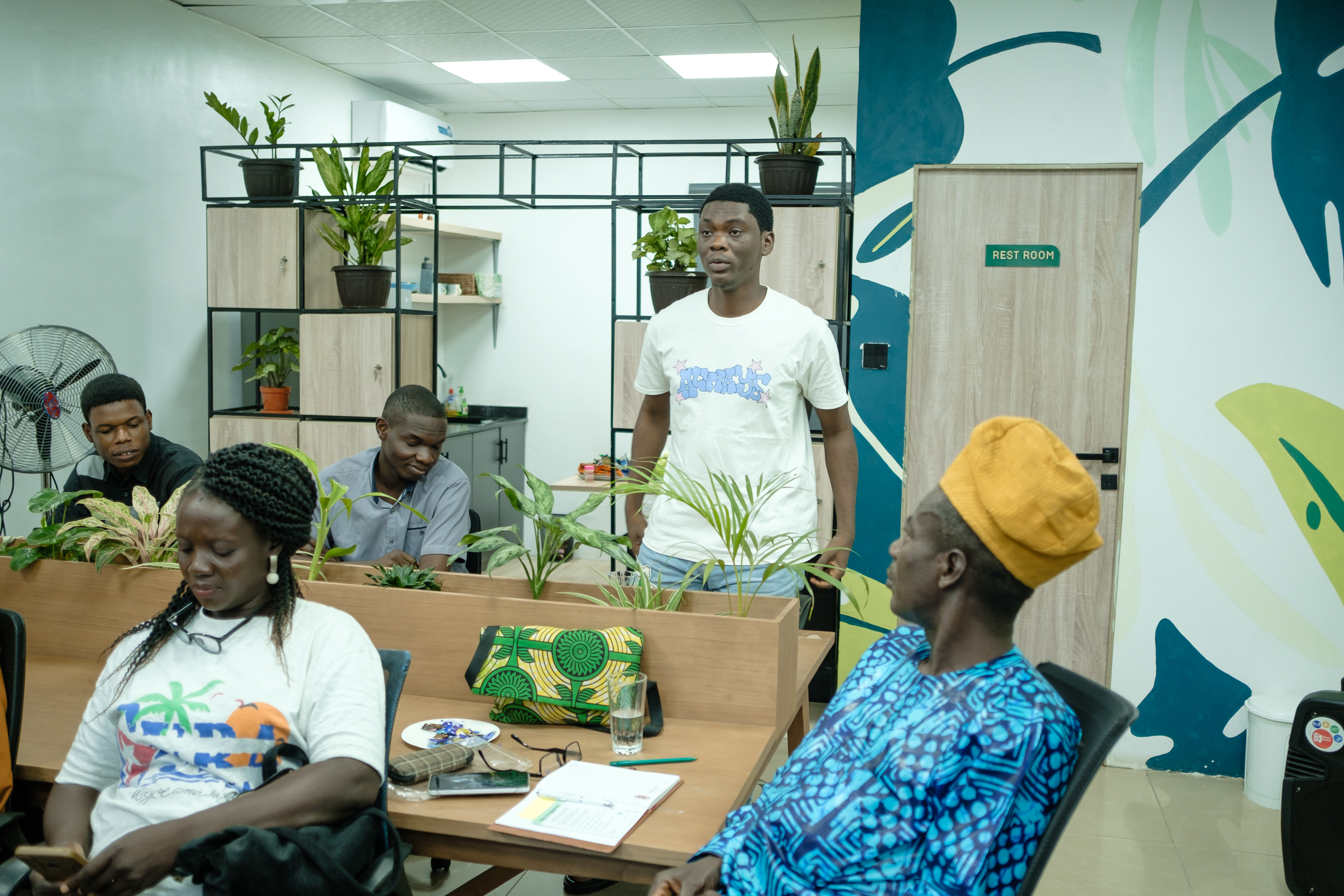
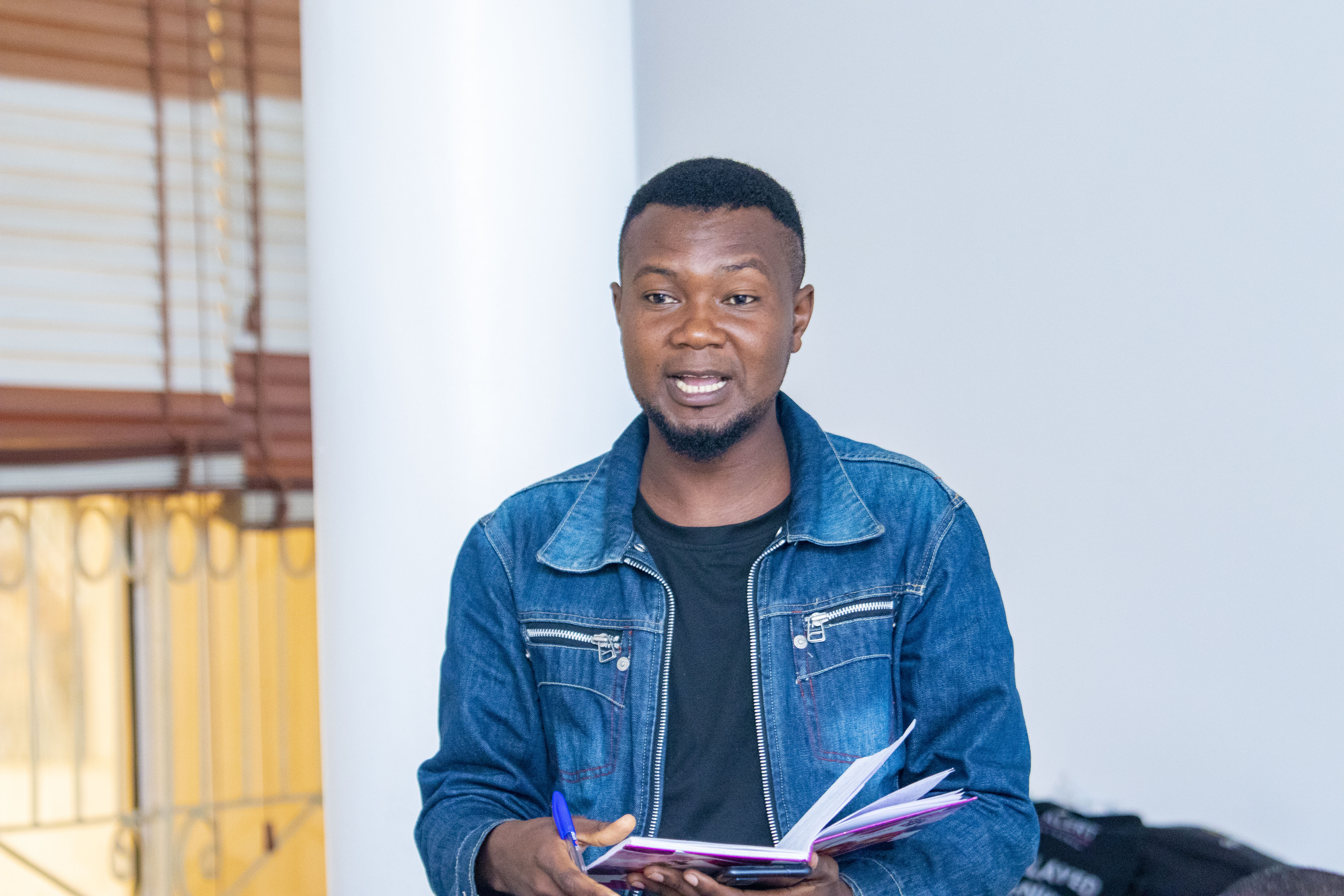
Youths voiced their anxiety, frustration, and urgency. Their reflections were often framed by health anxiety, digital activism, and feelings of exclusion from decision-making. Despite this, they expressed resilience and a desire to co-create a thriving planet.
Lived Stories
“In my village, these trees are standing together, forming a kind of shade. People coming from the farm put down their load there and have a rest before continuing. If you enter that environment, AC is nothing compared to the coolness that you will feel, so I won’t ever forget it. And somehow, they have been tampered with. I feel that nostalgia of going back there, but it’s been tampered with…which is a loss”. — Lagos Elder
“I feel like we youths aren’t trusted to take action. We’re ready, but don’t have the tools.” — Lagos Youth
“People live in the slums. Nobody consulted them. People in the urban slums are left out”. — Abuja Elder
“The fear of going back to Port Harcourt to visit family after relocating due to the soot in the air. I relocated from Port Harcourt to Abuja, and I felt an incredible sense of relief. Back in Port Harcourt, I always thought I had respiratory issues like rhinitis, but after moving here, those symptoms disappeared. That’s when I realised how much the environment, especially air quality, was affecting my health”. — Abuja Youth
“I feel like we youths aren’t trusted to take action. We’re ready, but don’t have the tools.” — Lagos Youth
“People live in the slums. Nobody consulted them. People in the urban slums are left out”. — Abuja Elder
“The fear of going back to Port Harcourt to visit family after relocating due to the soot in the air. I relocated from Port Harcourt to Abuja, and I felt an incredible sense of relief. Back in Port Harcourt, I always thought I had respiratory issues like rhinitis, but after moving here, those symptoms disappeared. That’s when I realised how much the environment, especially air quality, was affecting my health”. — Abuja Youth