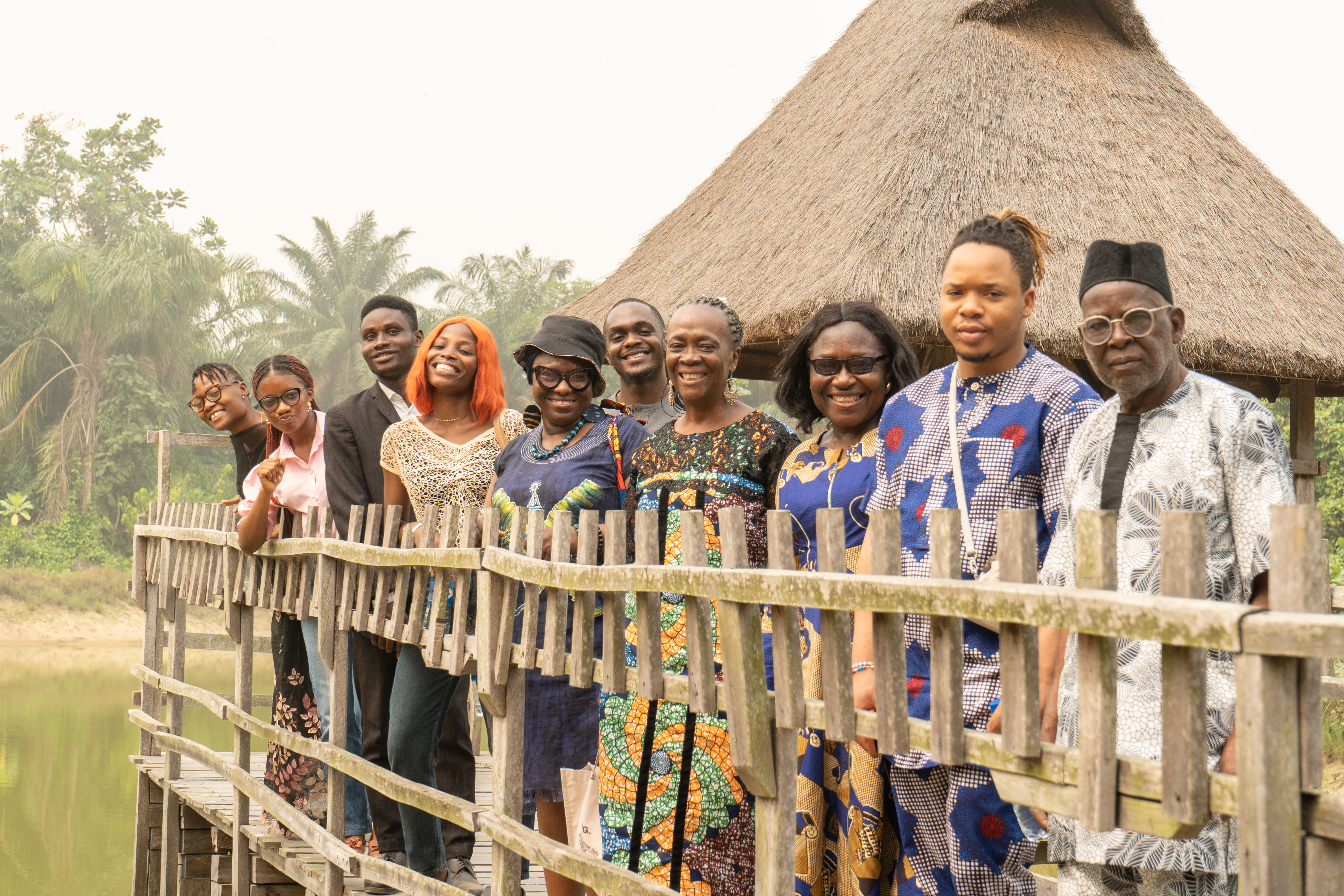
Beyond infrastructures, beyond tools and technologies - people also need to be resilient and psychologically adaptive to the climate crisis
— Jennifer Uchendu (Founder, SustyVibes)
About
Impact in numbers.
Overall Participants
Indirect Beneficiaries
Sessions
Speakers
Case Studies
Countries Represented
Spoke Sites
Hours of Training
Knowledge Gained Per Session
Why did we do this?
This initiative strengthens professional capacity across the continent and affirms our belief that resilience is built collectively, across disciplines and communities.
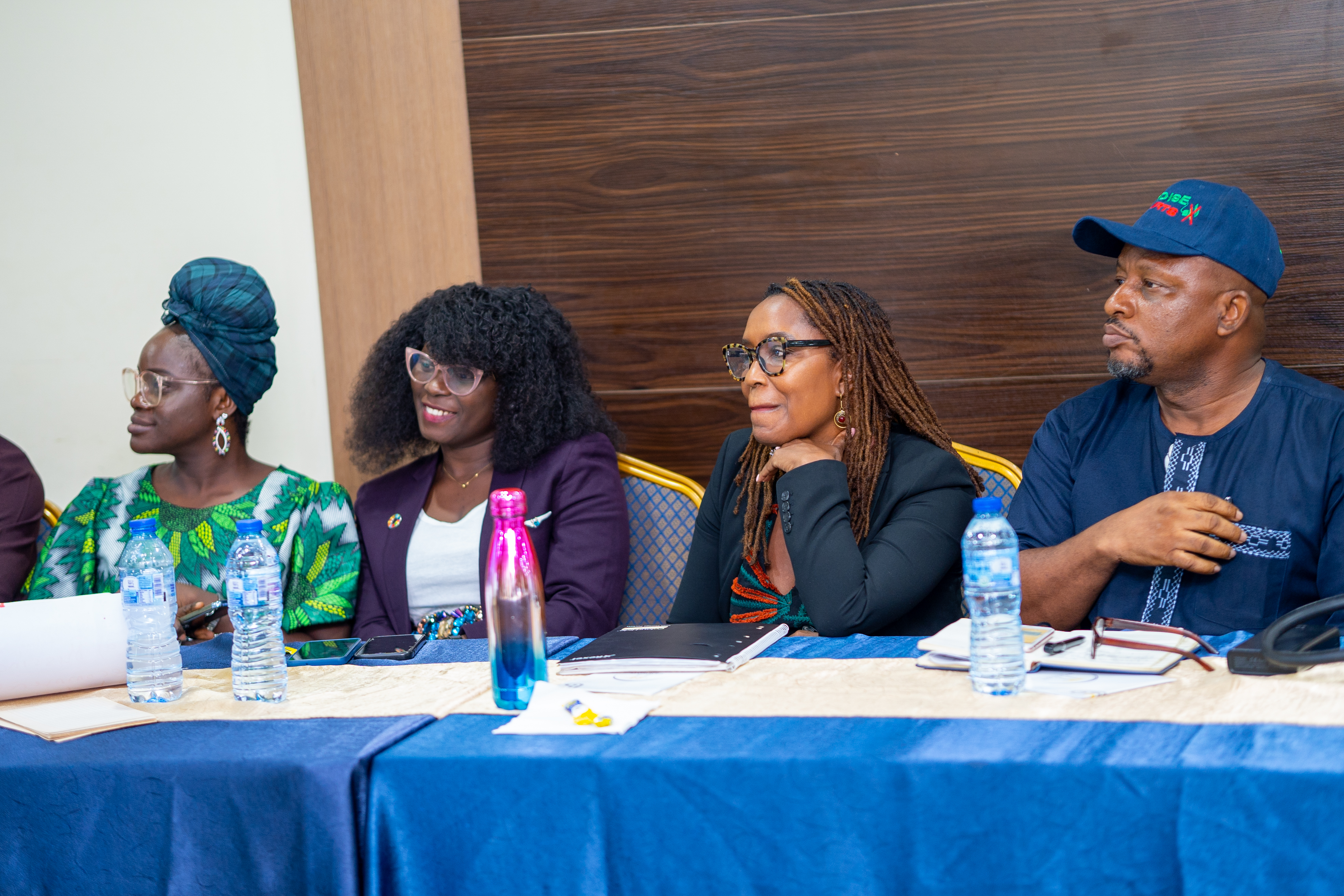
How did we do it?
Our learning framework
Participant-Focused
We prioritised participants’ needs, tailoring our curriculum to topics deemed crucial by our participants. We understand that interaction and connection are key to a transformative learning experience, and foster an environment that encourages participants to analyse, discuss, and engage collaboratively.
Case-Based Learning
To promote interactive learning, our curriculum emphasised the use of case studies, recognising their significant impact on learning outcomes.
Led by Subject Matter Experts
Training was co-created with African experts specialised in environmental health, climate change, public health, mental health, climate psychotherapy, and psychology.
One Year Report
Anchor serves as a blueprint for scaling similar interventions, utilising elements such as virtual platforms and prioritising indigenous knowledge. The report emphasises the urgent need for investment in tele-education, integration of mental health into climate policy, and cross-sector partnerships to safeguard vulnerable communities in the face of climate change.
Sessions
Anchor Session 1
Climate Change and Mental Health In Africa: An overview
Anchor Session 2
Raising Awareness on Mental Health Impacts of Climate Change in Africa
Anchor Session 3
Climate Disaster Responses Emergency Preparedness for Mental Health Professionals
Anchor Session 4
Cultivating Psychological Resilience for Climate Change
Anchor Session 5
Case Studies of Climate and Mental Health Interventions in Africa
Anchor 6
Building Sustainable and Climate-Resilient Mental Healthcare Systems
— in partnership with